

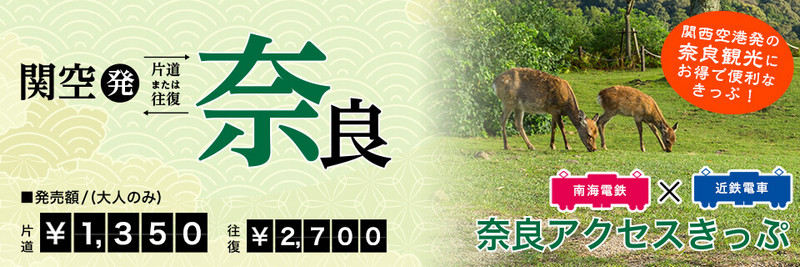
The Kansai Airport to Nara Travel Pass is a transportation ticket for travel between Kansai Airport and Nara.
Jointly issued by Nankai Electric Railway and Kintetsu Railway, similar to the Kobe and Kyoto travel passes.
These tickets require transfers.
However, the Nara Travel Pass only allows transfers at Namba Station, making it suitable for tourists staying near Kintetsu Nara Station.
Category: Japan
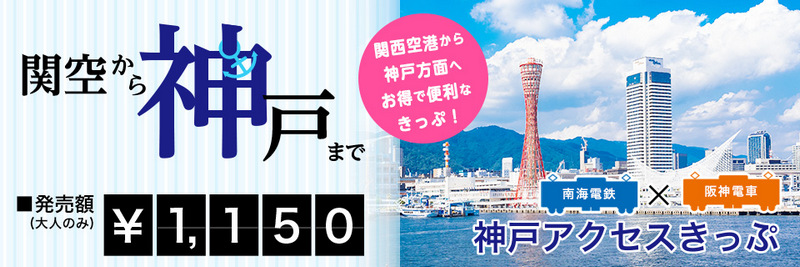
Kansai Airport to Kobe Travel Pass
The Kansai Airport to Kobe Travel Pass is a transportation ticket for traveling between Kansai Airport and Kobe. This ticket is a collaboration between Nankai Electric Railway and Hanshin Electric Railway. If purchased at the original price, the total cost is ¥1350. Currently, this pass is priced at ¥1150, which is about a 15% discount.
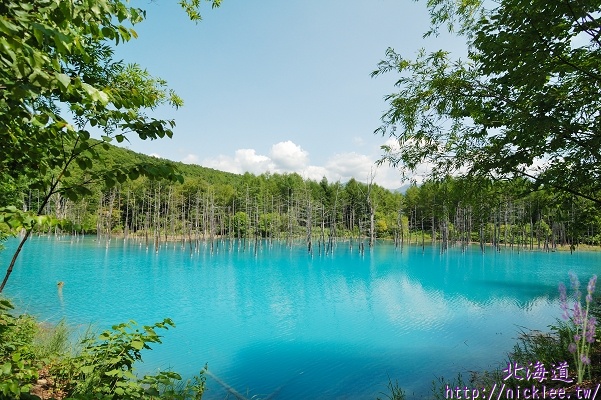
【Hokkaido】Blue Pond – Popular Attraction in Biei
The Blue Pond, also known as “Shirogane Blue Pond” or “Biei Shirogane Blue Pond,” in Japanese is “白金青い池”
Is an artificial pond located in Shirogane, Biei Town, Hokkaido, Japan.
Initially, it was created to prevent volcanic mudflows from the debris of Mount Tokachi eruptions.
Several dams were constructed along the Biei River, and the Blue Pond is one of the ponds formed by these dams.
The surface of the pond exhibits an incredible blue color, creating a dreamy landscape with the withered larch trees.
Since then, regardless of summer or winter, it has become a popular attraction in the Biei area of Hokkaido.
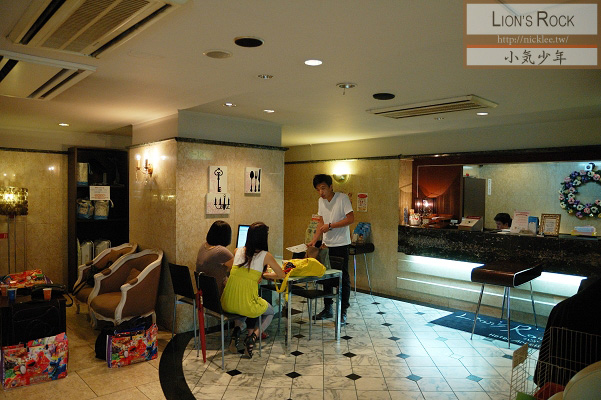
Osaka Shinsaibashi Accommodation – Lion’s Rock Hotel – 6-minute walk from Osaka Subway Shinsaibashi Station, located in the American Village shopping district.
The hotel is called Lion’s Rock, with the addition of the words “Shinsaibashi” in its name. However, it is a bit far from the well-known Shinsaibashi shopping street. It is closer to America Village at night, with dimmer lighting and a slightly chaotic atmosphere due to nearby shops. However, its prices are relatively affordable. If you are a young, single woman visiting Osaka, I would not recommend choosing this hotel.
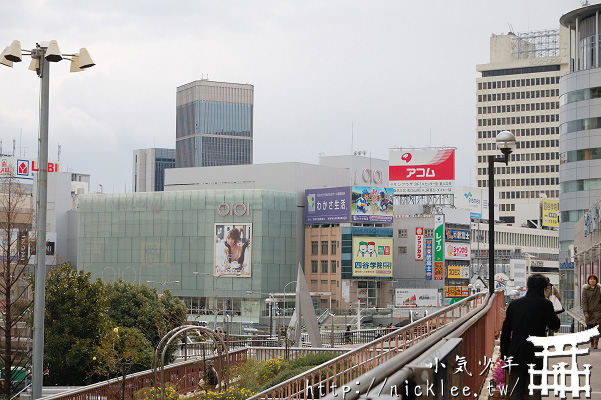
3 transportation routes between Kansai Airport and Kobe
To travel between Kansai Airport and Kobe, there are three transportation options available: A. Taking the Limousine Bus B. Taking the train C. Taking the high-speed ferry. In this article, we will briefly explain these three transportation options, providing choices for those who want to reach Kobe directly from Kansai Airport on their first day.
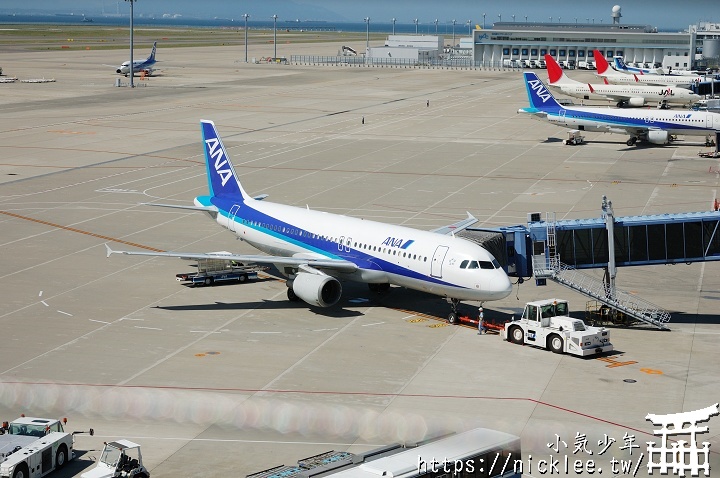
Introduction to Central International Airport
Central Japan International Airport, also known as Centrair in English (IATA code: NGO), is a gateway to the central region of Japan. It is one of the most convenient airports for traveling to Shizuoka, Aichi, Mie, Gifu, and even the Hokuriku region (Toyama, Ishikawa), as it is located between the Kanto and Kansai regions. Starting from September 20, 2019, Central Japan International Airport has added a Terminal 2. Currently, only Tigerair Taiwan uses the Terminal 2, while other airlines continue to use the Terminal 1.
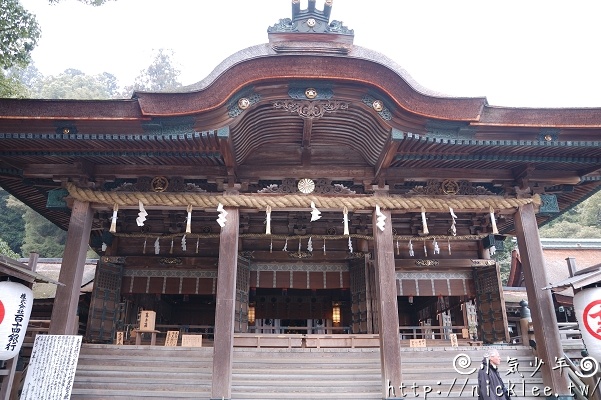
【Kagawa Prefecture】The Scenery on the Steps of Konpira Shrine: Sequel – Part 2
Let’s continue to take a look at the Kotohira Shrine.
Since the cherry blossoms haven’t bloomed yet, what we see are all bare branches. I’m sure it will be quite beautiful in spring.Haiden of main shrine
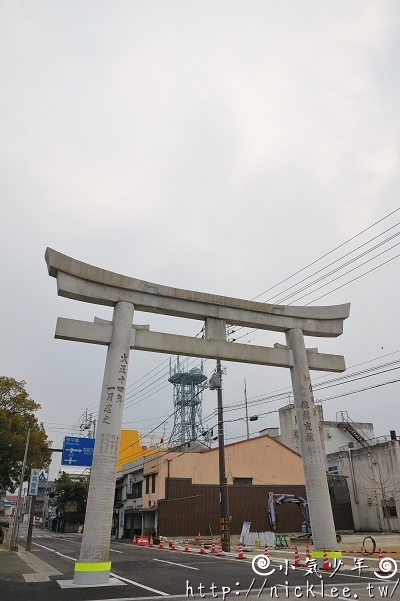
【Kagawa Prefecture】Street Scenes and Konpira Shrine in the Kotohira Area – Part 1
The renowned Konpira Shrine, known for its many steps, starts from the ground level and has a total of 785 steps to the main shrine, and 1368 steps if you go all the way to the inner shrine. For those who are not regularly active, not used to climbing stairs, or without training, it’s recommended to stop at the main shrine. However, if you have enough stamina or time, you might want to challenge yourself with the full 1368 steps. Due to time constraints on this visit, as we also had plans to make udon noodles, we only made it to the main shrine. Based on my personal experience, I found it manageable and not too tiring… It’s only slightly more exhausting towards the end (just before the main shrine), but not to the point of being unable to climb.
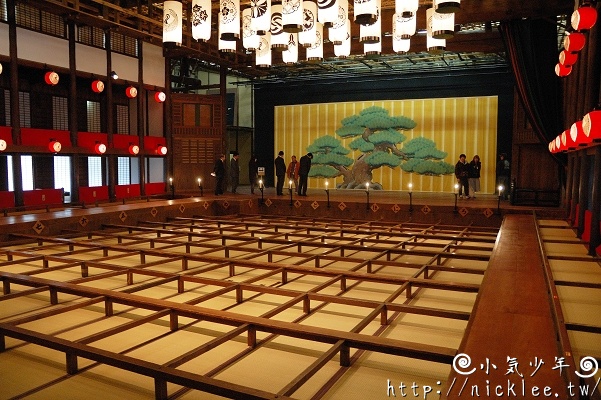
【Kagawa Prefecture】Japan’s Oldest Existing Theater: The Old Konpira Grand Theater
The Old Konpira Grand Theater, also known as Kanamaru-za, was built in 1835 and is the oldest existing theater in Japan. Originally, it was not located here but was moved to its current location between 1972 and 1976, a process that took four years, making it a building of significant historical value.
Since Kanamaru-za is situated along the small path leading to Kotohira-gū, it’s easily noticeable if you keep an eye out for it.
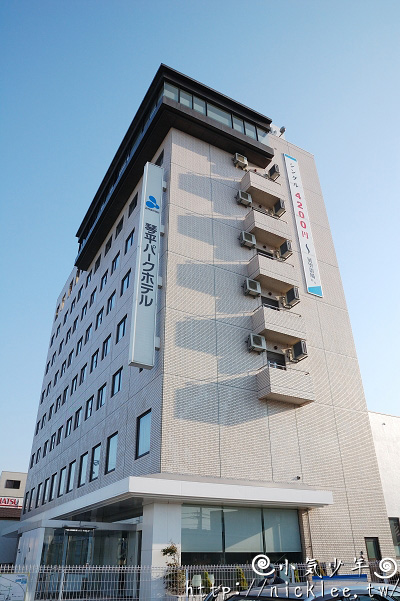
【Kagawa Prefecture】Affordable Business Hotel in the Kotohira Area – Kotohira Park Hotel
The Kotohira Park Hotel is somewhat far from both Kotohira Station and the Kotohira-gū. Therefore, it is more suitable for tourists who are on a self-guided trip and prefer to travel by car.